Relationships & Emotional Healing
Fearful Avoidant Attachment: Why You Crave Love and Pull Away, and How to Heal
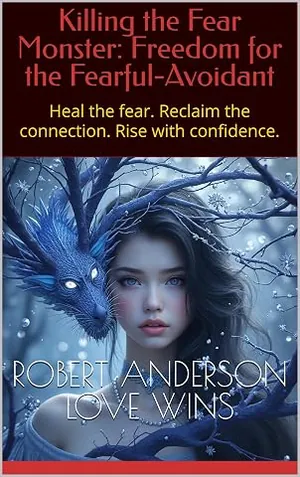
 0:32Book video · 0:32▶ Watch the promotional videoKilling the Fear Monster: a short look at the book, from its Amazon description.
If you've been searching for fearful avoidant attachment, you're in good company. It's one of the questions readers bring to Robert Anderson Love Wins most often, and it deserves an answer that is both practical and hopeful. Below you'll find gentle, real-world guidance you can start using today, plus a closer look at Killing the Fear Monster, the book where Robert explores this subject in depth.
Push-pull relationships explained
People with a fearful avoidant attachment style often long for closeness yet feel flooded when it arrives. The result is a push-pull pattern: drawing someone in, then creating distance when things feel too real. It usually grows from early experiences where love and fear were mixed together. It isn't a character flaw; it's a protective strategy that once made sense.
How to heal fearful avoidant attachment
Healing starts with noticing the moment fear rises, naming it, and staying a little longer than feels comfortable. Tools like thought records, reframing and inner-child work can help you separate past danger from present safety. Share what you're learning with a trusted partner or therapist. Fear of intimacy softens as your nervous system learns, slowly, that connection can be safe.
Self-sabotage in relationships
Self-sabotage in relationships often looks like picking fights when things are going well, pulling away when someone gets close, or assuming a partner will leave and acting as though they already have. For people with fearful avoidant attachment, these behaviors usually come from a deep wish to protect themselves from hurt.
When you notice the urge to push someone away, pause and name it: "I'm feeling scared of getting close." Share that feeling with a trusted partner if it's safe, or write about it. With practice, and often with therapy, you can learn to stay present instead of running from love.
What Killing the Fear Monster covers
From the book's description on Amazon
As the book's description on Amazon puts it:
“Do you long for love but feel overwhelmed by intimacy? Do you crave connection but sabotage relationships when things get too real? If so, you may carry the traits of a fearful-avoidant attachment style—and you are not alone.”
- 💭 Thought Records & Reframing to break fear loops
- 🌀 Visualization and Anchoring to shift your emotional state
- 💞 Inner Child Work and Parts Dialogue to build self-trust
- 🔄 Real-life scenarios for applying tools in love, conflict, and connection
- 🧠 A full workbook with journal prompts, affirmations & self-reflection exercises
Learn more about Killing the Fear Monster, including formats, prices and the full description.
Who will find this most helpful
This guide is for anyone exploring fearful avoidant attachment, especially readers interested in how to heal fearful avoidant attachment, push-pull relationships, fear of intimacy and self-sabotage in relationships.
From the book's description on Amazon:
- It’s about freeing you. 💡 Perfect for readers healing from trauma, emotional neglect, or anxious-avoidant patterns. 🔐 Includes: Step-by-step exercises, real-life healing scripts, and a printable workbook to support your transformation.
Be gentle with yourself
Healing in relationships takes time, and it rarely happens alone. Lean on people who are safe, consider talking with a counselor, and remember that setting boundaries and seeking help are acts of courage, not weakness. If you're ever in danger, contact local emergency services.
Want more encouragement like this? Join Robert's free Empower You to Empower Others newsletter on LinkedIn, or watch short messages on his YouTube channel.
Not sure where to start? Read free samples of Robert's two newest books, or get both as instant PDFs in the digital bundle.
Frequently asked questions
Can attachment styles change?
Yes. Many people move toward more secure attachment through supportive relationships, therapy and consistent self-awareness work. It takes time, and progress counts.
Which of Robert's books covers fearful avoidant attachment?
Killing the Fear Monster is Robert Anderson Love Wins' book on this subject. If so, you may carry the traits of a fearful-avoidant attachment style—and you are not alone.
How can I get Killing the Fear Monster?
It's sold on Amazon: Kindle $8.99 · Paperback $19.95 · Hardcover $22.95 · Audiobook (prices as of Nov 13, 2026; check Amazon for the current price).