How to Implement Restorative Justice Programs in Real Institutions
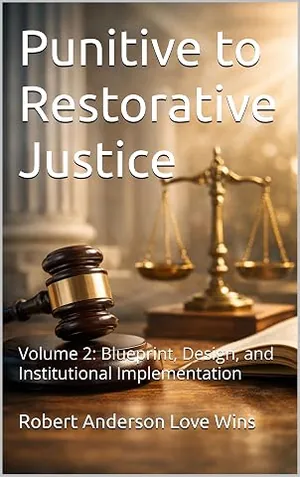
 0:34Book video · 0:34▶ Watch the promotional videoPunitive to Restorative Justice: Volume 2: a short look at the book, from its Amazon description.
How to implement restorative justice programs can feel like a big topic, but it becomes manageable once you break it into small, honest steps. This guide walks through those steps with warmth and encouragement, and shows how Punitive to Restorative Justice: Volume 2 by Robert Anderson Love Wins can help you go further.
Where restorative justice lives
Restorative justice is no longer just an idea. It's practiced in restorative justice in schools, juvenile programs, courts, prisons, workplaces and faith communities. Each setting needs its own design: who facilitates, how referrals happen, how participants are prepared and protected.
Designing restorative institutions
Successful programs usually start with a readiness assessment: leadership support, community trust, resources and training. Building coalitions for justice reform brings together victims' advocates, law enforcement, educators and community leaders. Start with a pilot, measure outcomes honestly, and adjust before scaling.
Getting started in your own organization
If you're considering restorative practices in a school, workplace or justice setting, start small. Train a core group of facilitators, pilot the approach with a limited number of cases, and gather feedback from everyone involved. Leadership support and clear guidelines matter, as does honest communication about what restorative justice can and cannot do.
Partnerships with community organizations, victim advocates and experienced practitioners can strengthen the program. Track outcomes carefully and share both successes and lessons learned. Thoughtful implementation builds trust and helps restorative approaches last.
What Punitive to Restorative Justice: Volume 2 covers
From the book's description on Amazon
As the book's description on Amazon puts it:
“Punitive to Restorative Justice: Volume 2 is the practical core of the series—the book where restorative vision becomes institutional design. If Volume 1 makes the moral and practical case for restorative justice, Volume 2 shows leaders, courts, schools, agencies, advocates, and reformers how to build it. This volume moves from conviction to construction, offering a serious blueprint for turning restorative ideals…”
- how to move from restorative conviction to restorative construction
- where restorative justice lives in real institutions
- how to map the journey from punitive reflex to restorative design
- how to build coalitions, assess readiness, and design trustworthy infrastructure
- how to screen cases wisely and protect safety, voluntariness, and dignity
- how to prepare participants, train facilitators, structure agreements, and monitor follow-through
Learn more about Punitive to Restorative Justice: Volume 2, including formats, prices and the full description.
Who will find this most helpful
This guide is for anyone exploring how to implement restorative justice programs, especially readers interested in restorative justice in schools, designing restorative institutions, building coalitions for justice reform and readiness assessment.
From ideas to action
Lasting change starts with informed people who care. Talk about these ideas with friends, support organizations doing good work, and look for one local way to help. Hope grows when we act on it together.
Want more encouragement like this? Join Robert's free Empower You to Empower Others newsletter on LinkedIn, or watch short messages on his YouTube channel.
Not sure where to start? Read free samples of Robert's two newest books, or get both as instant PDFs in the digital bundle.
Frequently asked questions
Do restorative justice programs work?
Studies of many programs report higher victim satisfaction and, in some cases, reduced reoffending, though results depend on design and implementation quality.
Which of Robert's books covers how to implement restorative justice programs?
Punitive to Restorative Justice: Volume 2 is Robert Anderson Love Wins' book on this subject. Punitive to Restorative Justice: Volume 2 is the practical core of the series—the book where restorative vision becomes institutional design.
How can I get Punitive to Restorative Justice: Volume 2?
It's sold on Amazon: Kindle $8.99 · Paperback $22.99 · Hardcover $34.99 · Audiobook (prices as of Nov 13, 2026; check Amazon for the current price).