Master Classes (NLP, CBT, Leadership)
NLP Techniques for Personal Change: Anchoring, Reframing and Rapport
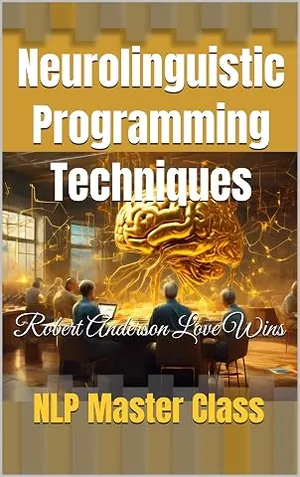
 0:38Book video · 0:38▶ Watch the promotional videoNeurolinguistic Programming Techniques: a short look at the book, from its Amazon description.
If you've been searching for NLP techniques for personal change, you're in good company. It's one of the questions readers bring to Robert Anderson Love Wins most often, and it deserves an answer that is both practical and hopeful. Below you'll find gentle, real-world guidance you can start using today, plus a closer look at Neurolinguistic Programming Techniques, the book where Robert explores this subject in depth.
What is neuro-linguistic programming?
Neuro-linguistic programming (NLP) is an approach developed in the 1970s by Richard Bandler and John Grinder. It looks at how language, thought patterns and behavior connect, and offers techniques to change unhelpful patterns. Scientific support for NLP's claims is limited, but many people find specific techniques practical.
Anchoring, reframing and rapport building
The NLP anchoring technique links a calm or confident state to a gesture, like pressing thumb and finger together, so you can recall it later. Reframing in NLP means finding a new, more useful meaning for an experience. Rapport building involves matching pace, tone and language to help others feel understood. Practice each one in low-stakes moments first.
Trying NLP ideas responsibly
If you're curious about neuro-linguistic programming, approach it as a set of practical communication and self-awareness tools rather than a magic formula. Research support for some NLP claims is limited, so it's wise to notice what genuinely helps you and let go of what doesn't.
A few ideas many people find useful are paying attention to the language they use about themselves, practicing a calm physical state before stressful events, and reframing setbacks as information rather than failure. Try one technique at a time for a week, and keep a short journal of what you notice.
Used with care and kindness, these tools can help you communicate more clearly, understand others better and move toward the changes you want. For deep emotional wounds, pair self-help with support from a qualified professional.
What Neurolinguistic Programming Techniques covers
From the book's description on Amazon
As the book's description on Amazon puts it:
“The vision of this book is to create a comprehensive resource that empowers individuals and practitioners to harness the transformative potential of Neuro-Linguistic Programming (NLP) techniques. It aims to bridge the gap between theoretical understanding and practical application, providing readers with the tools they need to enhance their personal and professional lives. By organizing NLP techniques into easily…”
Learn more about Neurolinguistic Programming Techniques, including formats, prices and the full description.
Who will find this most helpful
This guide is for anyone exploring NLP techniques for personal change, especially readers interested in what is neuro-linguistic programming, NLP anchoring technique, reframing in NLP and rapport building.
From the book's description on Amazon:
- This book was written to simplify NLP techniques, making them accessible and actionable for readers at all levels of experience, whether they are newcomers to NLP or seasoned practitioners.
Practice makes progress
Techniques only help when they're practiced. Choose one tool from this article, try it in a low-stakes situation this week, and note what happens. For serious mental-health concerns, a licensed professional is the right partner.
Want more encouragement like this? Join Robert's free Empower You to Empower Others newsletter on LinkedIn, or watch short messages on his YouTube channel.
Not sure where to start? Read free samples of Robert's two newest books, or get both as instant PDFs in the digital bundle.
Frequently asked questions
Is NLP scientifically proven?
Research support for NLP as a whole is limited and mixed. Some techniques overlap with well-supported approaches; it's best used as a practical toolkit rather than a cure.
Which of Robert's books covers NLP techniques for personal change?
Neurolinguistic Programming Techniques is Robert Anderson Love Wins' book on this subject. The vision of this book is to create a comprehensive resource that empowers individuals and practitioners to harness the transformative potential of Neuro-Linguistic Programming (NLP) techniques.
How can I get Neurolinguistic Programming Techniques?
It's sold on Amazon: Kindle $9.99 · Paperback $49.99 · Hardcover $54.95 · Audiobook (prices as of Nov 13, 2026; check Amazon for the current price).