Rethinking Medical Education: Teaching Doctors to Address Health at the Roots
 0:33Book video · 0:33▶ Watch the promotional videoAddressing Health at the Roots: a short look at the book, from its Amazon description.
If you've been searching for rethinking medical education, you're in good company. It's one of the questions readers bring to Robert Anderson Love Wins most often, and it deserves an answer that is both practical and hopeful. Below you'll find gentle, real-world guidance you can start using today, plus a closer look at Addressing Health at the Roots, the book where Robert explores this subject in depth.
Social determinants of health
Where people live, work, eat and learn shapes their health as much as genetics or medical care. Housing, income, education, food access and safety are known as social determinants of health. Medical training traditionally focuses on diagnosing and treating disease; many educators now argue it should also prepare doctors to recognize and address these root causes.
What a broader curriculum could include
A preventive medicine curriculum might teach nutrition, lifestyle counseling and community partnerships alongside pharmacology. Cultural competency in healthcare helps clinicians build trust with patients from different backgrounds. Systems thinking in medicine helps them see how policies, communities and individual choices interact. The goal is care that keeps people well, not just treats them when sick.
Why this conversation matters to patients
Medical education can sound like a topic only for doctors and professors, but it affects every patient. The way physicians are trained shapes how they listen, how they explain options, and whether they consider the realities of a person's life, such as cost, transportation, housing or caregiving.
Patients and families can contribute to this conversation by sharing their experiences, asking questions during appointments, and supporting programs that train compassionate, community-minded clinicians. Better education ultimately means care that treats the whole person.
What Addressing Health at the Roots covers
From the book's description on Amazon
As the book's description on Amazon puts it:
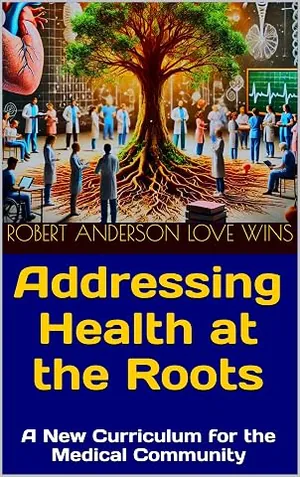
“Reimagining Medical Education: Addressing Health at the Roots A transformative vision for medical education—one that addresses health at its roots. Our current medical system excels in treating diseases but often falls short in promoting true health and well-being. The Current State of Medical Education: Modern medical education focuses heavily on diagnostics, pharmaceuticals, and surgical interventions.”
- Interpersonal Communication: Building trust and rapport with patients8.
- Cultural Competency: Understanding and respecting diverse backgrounds9.
- Systems Thinking: Recognizing the interplay between individual health, community dynamics, and healthcare systems.
- Health Advocacy: Promoting equitable and accessible healthcare.
- Consider the Whole Person: Understand the interconnectedness of bodily systems and external factors.
- Promote Preventive Care: Focus on nutrition, exercise, stress management, and regular screenings.
Learn more about Addressing Health at the Roots, including formats, prices and the full description.
Who will find this most helpful
This guide is for anyone exploring rethinking medical education, especially readers interested in social determinants of health, preventive medicine curriculum, cultural competency in healthcare and systems thinking in medicine.
Start small, and check with a professional
Choose one small health change you can keep for a month. Track how you feel. And because every body is different, talk with your doctor or a qualified professional before major changes to diet, fasting or treatment.
Want more encouragement like this? Join Robert's free Empower You to Empower Others newsletter on LinkedIn, or watch short messages on his YouTube channel.
Not sure where to start? Read free samples of Robert's two newest books, or get both as instant PDFs in the digital bundle.
Frequently asked questions
Why don't doctors learn more about nutrition?
Many medical programs have historically offered limited nutrition training because curricula focus heavily on disease and treatment. Some schools are expanding it, reflecting growing interest in prevention.
Which of Robert's books covers rethinking medical education?
Addressing Health at the Roots is Robert Anderson Love Wins' book on this subject. Reimagining Medical Education: Addressing Health at the Roots A transformative vision for medical education—one that addresses health at its roots.
How can I get Addressing Health at the Roots?
It's sold on Amazon: Kindle $9.99 · Paperback $23.97 · Hardcover $29.99 · Audiobook (prices as of Nov 13, 2026; check Amazon for the current price).