How to Stop Negative Self-Talk: Speak to Yourself With Love
You would never stand in front of a friend and say, "You always mess this up," or "Why are you so hopeless?" Yet many of us say those words to ourselves every day, often without noticing. If you've been searching for how to stop negative self talk, here is some good news: the voice in your head is a habit, and habits can be retrained. Robert Anderson Love Wins devotes a whole chapter of From Pain to Purpose, Fear to Freedom to this, called "As You Think, So You Become."
The heart of Robert's message is that love, kindness, caring, value and respect belong everywhere, including in the private conversation you have with yourself. How you speak to yourself shapes how you speak to others and every action you take.
Why your inner voice matters so much
Robert opens the chapter with a picture any gardener will understand:
Thoughts are the seeds that create your experiences. Just as a gardener plants seeds to cultivate a garden, you plant thoughts in your mind that grow into actions, habits, and results.
Negative self-talk is a seed like any other. Repeat "I'm not good enough" often enough and it starts to grow into hesitation, missed chances and a life lived smaller than it needs to be.
Notice, too, what Robert does not ask of you. He isn't asking you to become someone who never has a dark thought:
The key is not to eliminate negative thoughts entirely, but to recognize them and redirect your focus toward more empowering perspectives.
That is a kinder goal. You don't have to win an argument with every thought. You only have to notice it and gently turn toward something better.
How to stop negative self-talk by changing your questions
One of the most practical ideas in the book is that our thinking follows the questions we ask ourselves. Robert writes, "You have the power to change your thinking by simply changing the way you communicate with yourself." His example is simple and a little humorous:
- A question that traps you: "Why is my hair so ugly?"
- A question that frees you: "How can I make my hair look the best it can, and enjoy the process?"
The first question can only produce reasons to feel bad. The second invites creativity and action. You can apply the same shift to anything. "Why do I always fail?" becomes "What can I learn from this, and what is one step I can take today?"
Five steps to retrain your inner voice
In the section "Harnessing the Power in Your Thinking," Robert lays out five steps. Here they are, with a few notes on how to practice each one with kindness.
- Recognize the dominant thoughts. Robert suggests "identifying the top five thoughts you consistently think about." Write them down without judging them. You're gathering information, not building a case against yourself.
- Link your thoughts to your results. Look at each thought and ask whether it is leading you toward the life you want. If a thought keeps showing up next to the same disappointments, that is useful to know.
- Interrupt negative patterns. When the critical voice starts, "Stop them in their tracks." Robert's advice is physical: "stand tall, breathe deeply, or shift your posture to disrupt the mental pattern." He adds, "Speak in a positive tone, even if you have to fake it at first."
- Ask empowering questions. The book offers three to keep handy: "How can I turn this challenge into an opportunity?" "What can I learn from this situation?" "What action can I take today to move toward my goals?"
- Take ownership of your thought life. "This is a personal journey that no one can walk for you," Robert writes. That isn't a burden. It means the power to change is already in your hands.
If you like working with structured tools, CBT Techniques for Anxiety and Negative Thoughts pairs well with these steps, and How to Transform Negative Emotions can help with the feelings that often travel with harsh self-talk.
Guard what goes into your mind
Self-talk doesn't come from nowhere. Much of it echoes what we hear and watch. Robert compares the mind to "a garden" that is "highly susceptible to the seeds it's exposed to," and notes that television, music, advertising and conversations all plant ideas. His conclusion: "You are what you consume mentally."
This is an act of self-respect, not avoidance. As the book puts it, "This is not about avoiding reality but about staying clear from toxic, limiting thoughts and emotional pollution." Choosing uplifting voices, people and media is one of the most caring things you can do for your inner world.
Write an affirmation in your own words
The chapter closes with a tool you can start using today. Robert recommends writing "the thoughts you wish to dominate your thinking" into a personal affirmation, and he shares an example that begins:
"I am a positive, enthusiastic, and decisive person. The thoughts that dominate my thinking are optimism, persistence, resourcefulness, humor, patience, and creativity. These thoughts lift me up."
His instructions are clear: "Read your affirmations twice a day—in the morning to set the tone for your day and at night to reinforce your positive mindset." Try adding a line that reflects the way you want to treat yourself, such as kindness and patience when you make a mistake. For prompts that help you notice what your inner voice has been saying, see these self-reflection journal prompts.
Speaking to yourself with love is a daily practice
Some days the old voice will be loud. That's normal. Each time you notice it, pause, breathe and ask a better question, you strengthen a new habit. Robert quotes James Allen's As a Man Thinketh in the chapter: "You are today where your thoughts have brought you; you will be tomorrow where your thoughts take you."
And as Robert writes at the end of the section, "Protect your thoughts, and your thoughts will protect your future."
Start today
If this spoke to you, From Pain to Purpose, Fear to Freedom walks you through these steps and much more, from facing fear and worry to turning failure into your teacher. Watch the short video about the book, and if you'd like daily tools to keep the practice going, try the companion The Divine Harmony Planner's Handbook.
You can also read free samples of Robert's newest books right now and begin speaking to yourself with the love you deserve.
Source: From Pain to Purpose, Fear to Freedom by Robert Anderson Love Wins (chapter "As You Think, So You Become: Harnessing the Power of Your Thoughts")
Keep reading
- How to Transform Negative Emotions: The Art of Emotional Alchemy
- CBT Techniques for Negative Thoughts: A Practical Self-Help Guide
- Self-Reflection Journal Prompts: A 30-Day Path to Greater Self-Awareness
- How to Overcome Fear and Build Confidence (Even After Real Pain)
- How to Live by Love, Kindness, Caring, Value and Respect Every Day
Watch
- ▶ From Pain to Purpose, Fear to Freedom: promotional video
- ▶ The Divine Harmony Planner's Handbook: promotional video
- ▶ Alchemy of Emotions: Turning Negativity into Radiance: promotional video
- ▶ Cognitive Behavioral Therapy: promotional video
- ▶ 30 Day Self-Reflection Journal: promotional video
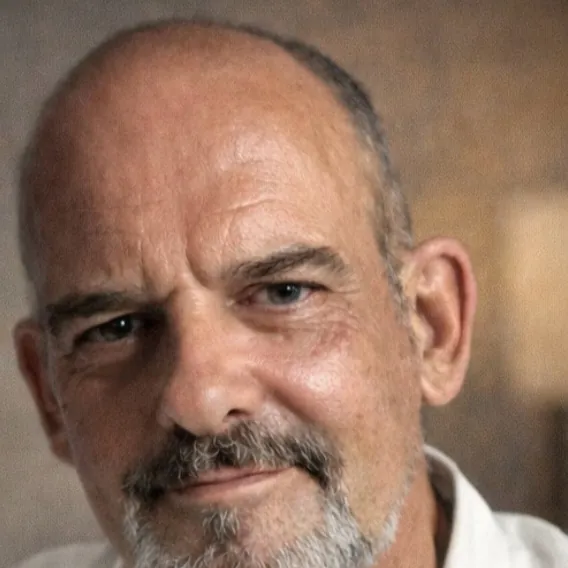
About the author
Robert Anderson Love Wins
Author of 147 books on healing, faith and personal growth, speaker, and writer of the Empower You to Empower Others newsletter on LinkedIn.