What Does Real Love Look Like? Look at the Fruit
Love may be the word we use most and examine least. We say it to our families, our partners, our friends, even to our favorite coffee. But when life gets hard, when someone disagrees with us, disappoints us or scares us, the word gets tested. So what does real love look like when it is put to the test? My answer is simple, and it shapes everything I write: real love is rooted in kindness, caring, value and respect for everybody involved. That includes the person in front of you, and it includes you.
Love Is More Than a Feeling
Feelings come and go. They rise with a good day and dip with a bad night's sleep. If love were only a feeling, it would be as unreliable as the weather. In my newsletter article "Exploring Love, Values, and the Divine," I put it this way:
"Love is more than emotion. Love becomes meaningful when it takes form through behavior."
That is good news, because behavior is something you can choose. You may not control how you feel at 6 a.m. on a Monday, but you can choose how you speak, how you listen and how you treat the people you love, including yourself.
What Does Real Love Look Like in Everyday Life?
Here are a few lines from that same article that I come back to often:
"Love listens. Love tells the truth. Love protects dignity. Love respects boundaries."
Let's bring each one down to an ordinary day.
- Love listens. It puts the phone down. It lets the other person finish the sentence. It asks, "What was that like for you?" before offering advice.
- Love tells the truth. Not harshly, and not to win. It tells the truth because people deserve to make decisions based on what is real.
- Love protects dignity. It does not mock, shame or bring up old mistakes as weapons. It corrects in private and praises in public.
- Love respects boundaries. It hears "no" without punishing it. It doesn't need to control someone to feel close to them.
The article adds another line that I think is one of the clearest tests of all: "Love does not need another person to become smaller so that it can feel powerful." If a relationship only works when one person shrinks, something other than love is running the show.
Healthy Love vs. Unhealthy Love: Look at the Fruit
Many people ask how to tell healthy love from unhealthy love. Labels can fool us. Someone can say "I love you" while acting from fear, jealousy or control. So instead of asking only whether you believe in love, try a more revealing question from the article: "What does my version of love produce?"
Then look at the fruit. Does it produce freedom or fear? Connection or control? Compassion or condemnation? Growth or dependency? Peace, or constant emotional instability? As I wrote, "The fruit of our beliefs may tell us more about them than the labels we place upon them."
This works for any relationship: a marriage, a friendship, a family, a workplace, even a faith community. It also works for the relationship you have with yourself.
Real Love Starts With How You Talk to Yourself
Here is where most of us skip a step. We try to love others well while speaking to ourselves with contempt. "You're so stupid." "You always mess this up." "Who would want you?" If a friend spoke to you that way, you would call it unkind. When the voice is inside your own head, it is just as unkind.
The article names some of the quiet beliefs that keep people from feeling loved at all, such as "I am lovable only when I perform," "Setting boundaries makes me selfish," and "My mistakes permanently define me." Beliefs like these turn love into a transaction you are always failing to pay.
In The Divine Harmony Planner's Handbook, I describe a different way to live, where "Your love is no longer a transaction; it is an overflowing expression of your connection to the Source of love." You can't overflow from an empty cup. When you speak to yourself with kindness, you have more kindness to give.
And yes, loving yourself includes boundaries. In From Pain to Purpose, Fear to Freedom, one of the simplest pieces of advice is to "Politely but firmly reject negativity from others." That is not selfish. It is respect, for you and for them. If boundaries feel hard, my guide on how to set healthy boundaries walks through it gently.
A Five-Minute Reflection
Love grows when we look at it honestly. Take five minutes today with a notebook and these questions, adapted from the reflective questions in my article:
- What does love mean to me beyond emotion?
- What behaviors do I associate with genuine love?
- Does the love I practice allow others freedom and dignity?
- Have I ever mistaken attachment, control, jealousy or obligation for love?
- What does love look like when someone disagrees with me?
Then add one more: How would my day change if I spoke to myself the way I speak to someone I truly love?
You don't need perfect answers. You only need honest ones, and one small change to practice tomorrow.
Choosing Love on Purpose
Selfless, caring love has a name many people know: agape. My book Agape Love explores how this kind of love can become the foundation for personal growth and the relationships we build, including learning to "develop a compassionate inner dialogue that enhances your emotional well-being." If you want to go deeper on the idea itself, start with what is agape love or watch the short Agape Love video. For a daily, practical rhythm of conscious choices, the Divine Harmony Planner's Handbook video is a good place to begin.
Real love is not loud, and it is not about control. It listens, it tells the truth, it protects dignity and it respects boundaries. And it starts with the voice you hear first every morning: your own.
Your next step: read a free chapter on the free samples page, then choose the book that meets you where you are. Pick one line from this post, write it where you'll see it today, and practice it once with someone you love, and once with yourself.
This post adapts ideas from my LinkedIn newsletter article "Exploring Love, Values, and the Divine" in Empower You to Empower Others.
Source: https://www.linkedin.com/pulse/exploring-love-values-divine-robert-anderson-irpze
Keep reading
- What Is Agape Love? Living God's Unconditional Love in Everyday Relationships
- How to Set Healthy Boundaries and Build Resilient Relationships
- How to Practice Unconditional Love: Forgiveness, Empathy and an Open Heart
- How to Develop a Relationship With God Through Honest Conversation
- How to Live by Love, Kindness, Caring, Value and Respect Every Day
- How to Overcome Fear and Build Confidence (Even After Real Pain)
Watch
- ▶ The Divine Harmony Planner's Handbook: promotional video
- ▶ Agape Love: Gods Blueprint for Meaningful Connections and Personal Fulfillment: promotional video
- ▶ From Pain to Purpose, Fear to Freedom: promotional video
- ▶ Boundary Mastery: Building Resilient Relationships and Self-Empowerment: promotional video
- ▶ Quest for Unconditional Love's Key: promotional video
- ▶ Conversations With God: promotional video
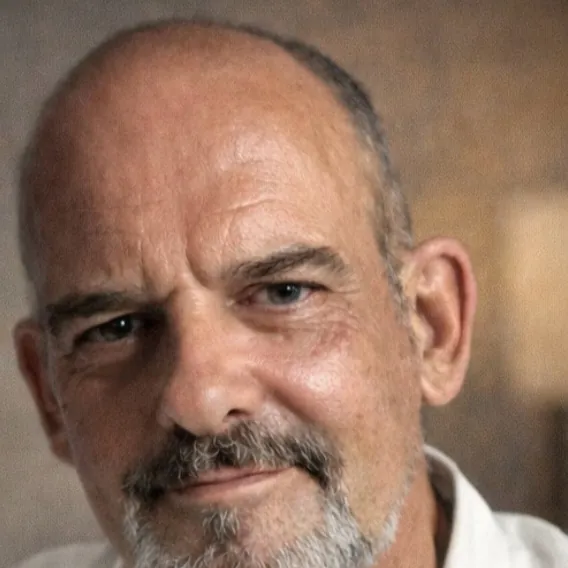
About the author
Robert Anderson Love Wins
Author of 147 books on healing, faith and personal growth, speaker, and writer of the Empower You to Empower Others newsletter on LinkedIn.