How to Build Self-Confidence as an Adult: Small Choices, Kind Words, Steady Growth
Somewhere along the way, many of us decided that confidence is a personality trait: some people were born with it, and the rest of us missed out. If you have ever wondered how to build self confidence as an adult, I want to offer you a gentler and more hopeful truth. Confidence is not something you have to wait to feel. It is something you can begin building through the choices you make today, and through the way you speak to yourself while you make them.
Your past may explain some of your patterns. It does not have to dictate every choice in your future.
Confidence and Self-Worth Are Not the Same Thing
Before we talk about building confidence, it helps to separate two ideas that often get tangled together.
Self-worth is the value you recognize in yourself as a person. Confidence is usually more specific: your belief in your ability to handle a task, a situation, or a challenge.
Why does this matter? Because when we mix them up, every stumble feels like a verdict on who we are. A presentation goes poorly, and instead of thinking "I need more practice," we hear "I'm not good enough." You can build confidence in particular skills without making your worth depend on your performance. Your worth is not up for negotiation. Your skills are simply still growing.
This is where love, kindness, caring, value and respect come in. They are not only how we hope to treat others. They are the foundation for how we treat ourselves while we learn.
Confidence Isn't Always Loud
We picture confident people as bold and unshakable. Real confidence is often much quieter. Sometimes it means speaking honestly when your voice trembles. Sometimes it means setting a boundary, learning something new, asking for help, or continuing after disappointment.
None of those moments look dramatic from the outside. Each one is a small vote for the person you are becoming.
Start With What You Believe
In The Power of Belief: Unlocking Your True Potential, the starting point is simple: begin with what you believe is possible. Our beliefs influence how we interpret experiences, respond to challenges, and approach opportunities.
In From Pain to Purpose, Fear to Freedom, I put it this way:
"Strong, positive beliefs empower you to see opportunities and act with confidence."
The same book offers a clear example of how a belief can quietly block a goal: "if you want to be a confident public speaker but believe you're terrible at speaking in front of others, this belief will need to be addressed."
So the first step in building confidence is not to force yourself to feel brave. It is to get curious. Ask yourself:
- What do I believe about myself, and where did those beliefs begin?
- Which fears or familiar patterns may be limiting my choices?
- What strengths have I developed through my experiences?
- Which everyday actions would reflect the person I want to become?
- How can my growth positively influence the lives of others?
Take your time with these. You don't need all the answers to begin. If you'd like to go deeper on reshaping old assumptions, the article How to Change Limiting Beliefs walks through it step by step.
Five Practices to Build Confidence, Starting Today
Growth begins with awareness, and confidence grows through action. Here are five practices you can begin this week.
1. Notice the story you tell yourself
When you face a challenge, write down the first thought that appears. Then ask: is this a fact, an assumption, or an old interpretation? Many of the harshest things we say to ourselves turn out to be old stories that were never true.
2. Recognize a strength you already have
Recall one difficulty you have already navigated. What skills, values, or resources helped you through it? You have more evidence of your own capability than you think. Confidence often grows simply from remembering it.
3. Choose one manageable action
Identify one step you can take today toward something that matters to you. Confidence often develops through small, repeated experiences of taking action. Each completed step teaches your mind, "I can do this."
4. Replace harsh self-judgment with honest reflection
Acknowledge mistakes without turning them into a permanent definition of who you are. Speak to yourself the way you would speak to a friend you love: honestly, but with kindness. That isn't letting yourself off the hook. It is giving yourself the respect you need to keep going.
5. Practice the Five Principles
Ask how love, kindness, caring, value and respect can guide the way you treat yourself and the people around you. When your inner dialogue and your outward actions come from the same caring place, confidence stops being a performance and becomes a way of living.
Change Your State When Doubt Shows Up
Self-doubt will still visit. From Pain to Purpose, Fear to Freedom names it plainly: self-doubt "erodes your confidence and belief in your abilities." The book also offers quick ways to shift your emotional state in minutes, such as breathing deeply, changing your posture, using visualization and repeating affirmations like, "I am in control of my emotions."
Use these not to pretend everything is fine, but to give yourself enough calm to choose your next step wisely. For more on moving through fear itself, see How to Overcome Fear and Build Confidence.
Growth Is a Practice, Not a Race
You don't have to change everything at once. Meaningful development can begin through manageable adjustments in habits, communication, learning, boundaries and everyday choices. And if you have experienced significant adversity, your pace and safety matter. Books and reflection can support you, but they are not a substitute for appropriate professional care.
When you're ready to turn growing confidence into goals, Unlocking Unlimited Success explores goal-setting, resilience and aligning your choices with a clear personal vision. And as your confidence grows, consider how it can become a source of kindness and respect for others. That is how we empower ourselves to empower others.
Take Your Next Step
Pick one of the five practices above and try it today. Then keep reading:
- Get the free samples of From Pain to Purpose, Fear to Freedom or The Divine Harmony Planner's Handbook.
- Start with The Key to the Library of Transformation if you're not sure which book to begin with.
- Explore The Power of Belief to examine limiting assumptions and recognize overlooked strengths.
This post is adapted from my LinkedIn newsletter article "Confidence & Personal Growth" in Empower You to Empower Others.
Source: https://www.linkedin.com/pulse/confidence-personal-growth-robert-anderson-rkmie
Keep reading
- How to Overcome Fear and Build Confidence (Even After Real Pain)
- How to Change Limiting Beliefs and Unlock What You're Capable Of
- Self-Empowerment Tips: Finding Your Inner Strength With Timeless Wisdom
- How to Achieve Your Dreams: A Blueprint for Lasting Success
Watch
- ▶ The Power of Belief: Unlocking Your True Potential: promotional video
- ▶ From Pain to Purpose, Fear to Freedom: promotional video
- ▶ Unlocking Unlimited Success: promotional video
- ▶ Merlin's Enchanted Odyssey: promotional video
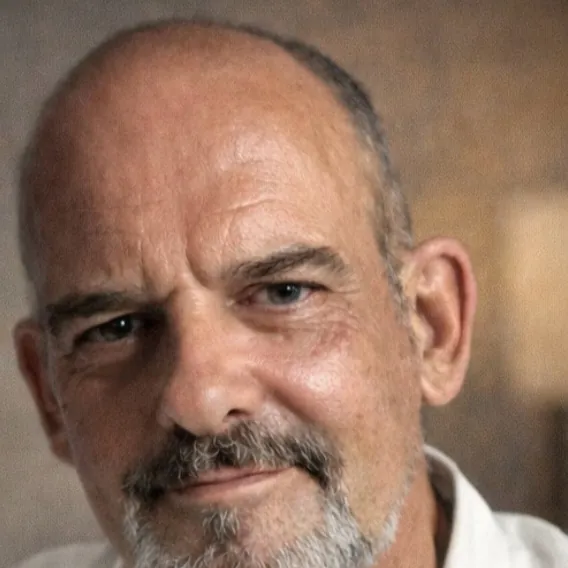
About the author
Robert Anderson Love Wins
Author of 147 books on healing, faith and personal growth, speaker, and writer of the Empower You to Empower Others newsletter on LinkedIn.